
A Smart Couple's Guide to Establishing a Wedding Budget
You’ve just gotten engaged and are floating on cloud nine, already imagining your perfect wedding day. Then reality hits when you start getting vendor quotes and realize that your Pinterest-worthy celebration might cost more than a luxury car.
Does this sound familiar?
You’re definitely not alone in feeling overwhelmed by wedding expense categories and wondering how other couples possibly afford their gorgeous celebrations.
Most engaged couples don’t realize that the difference between couples who stress about money throughout their entire engagement and those who plan confidently isn’t necessarily how much they have to spend. The real game-changer is having a clear, realistic financial plan from day one that aligns with their actual resources and priorities.
Too many couples dive headfirst into wedding planning without establishing a wedding budget first, which inevitably leads to difficult conversations about cutting guests, downgrading vendors, or worse, starting married life with debt. The smartest approach? Create your financial framework before you fall in love with any specific vendors, venues, or elaborate details that might stretch your resources beyond comfort.
At Ambrosia Events, we’ve watched hundreds of Milwaukee couples transform their wedding planning experience simply by approaching their budget strategically rather than reactively. When you understand exactly how much you can spend and how to allocate those funds effectively, every planning decision becomes easier and more enjoyable. You’ll discover proven wedding budget planning strategies that ensure every dollar works hard for your celebration, practical tips for maximizing value without sacrificing quality, and insider knowledge about the hidden costs that blindside unprepared couples. Ready to take control of your wedding finances and plan with complete confidence?
The Foundation of Every Dream Wedding Starts With Numbers
Wedding budget planning without clear financial parameters is like building a house without a blueprint: you’ll inevitably end up overspending, stressed, and disappointed with the results. The most successful weddings aren’t necessarily the most expensive ones; they’re the celebrations where couples make intentional choices about how to allocate their resources for maximum impact and personal satisfaction.
Understanding your true financial capacity before you fall in love with specific vendors or venues protects you from making emotional decisions that could impact your financial stability for years after your wedding day. When you establish clear budget boundaries from the beginning, you can fully enjoy the planning process knowing that every choice you make fits comfortably within your means.
Here’s what you’ll discover in this strategic approach to wedding budgeting:

You’ll learn the exact steps Milwaukee couples use to determine their realistic wedding budget based on their current financial situation, future goals, and family contributions, ensuring every decision aligns with both their celebration vision and their long-term financial health.
We’ll show you how to allocate your funds across essential wedding categories to maximize value and impact, so every dollar spent contributes meaningfully to your guests’ experience and your own wedding day memories.
How Much Should You Really Spend on Your Milwaukee Wedding?
The foundation of smart wedding expense categories begins with an honest assessment of your current financial situation. Start by calculating what you can comfortably afford without going into debt by reviewing your savings, monthly income after essential expenses, and existing financial commitments like student loans, car payments, or mortgage obligations. Your wedding budget should never compromise your ability to pay rent, build emergency savings, or maintain the lifestyle you’ve established as a couple.
Milwaukee wedding costs vary significantly based on guest count, venue type, and celebration style, but understanding local market averages helps you set realistic expectations. Most Milwaukee couples spend between $15,000 and $35,000 on their weddings, with significant variation depending on whether you choose intimate celebrations for 50 guests or larger gatherings accommodating 150+ family and friends.
Factor in family contributions early in your planning process to set clear expectations and avoid uncomfortable conversations later in your engagement. If parents or relatives offer financial assistance, discuss expectations, limitations, and decision-making authority upfront to prevent misunderstandings about who gets input on vendor selection, guest list decisions, or celebration style choices. Some couples find it helpful to create separate budget categories for family-funded elements versus expenses they’re covering independently.
Consider your post-wedding financial goals when determining your overall budget. If you’re planning to buy a house, start a family, or make other major life changes in the next few years, ensure your wedding expenses don’t compromise those important milestones. The most financially successful couples view their wedding budget as one part of their broader financial plan rather than an isolated expense.
The Wedding Budget Breakdown That Actually Works

An effective wedding cost breakdown follows proven allocation formulas that maximize impact while ensuring you don’t overspend in any single category. The most important principle: allocate 45-50% of your total budget to venue, food, and bar service since these elements represent your largest expenses and create the biggest impact on your guests’ overall experience. These foundational elements set the tone for your entire celebration and provide the framework within which all other wedding details operate.
Reserve 10-15% of your budget for photography and videography because these services preserve your memories long after the flowers have wilted and the cake has been eaten. While it might be tempting to cut costs in this category, remember that your photos and videos become more valuable over time, serving as the primary way you’ll relive your wedding day for decades to come.
Dedicate 8-10% to flowers and decor, focusing your floral budget on high-impact areas like your bridal bouquet, ceremony altar arrangements, and centerpieces that create the most visual impact for your investment. Consider mixing fresh flowers with greenery, candles, or other decorative elements to stretch your decor budget while maintaining the aesthetic atmosphere you want to create.
Allocate 8-10% for music and entertainment, whether that’s a live band, DJ, or a combination of both. Quality entertainment keeps your celebration energetic and ensures your guests have a memorable experience that extends beyond dinner service into dancing and celebration.
Reserve 10-15% for attire, beauty services, and accessories. This includes wedding dress, suit or tux, shoes, jewelry, hair, makeup, and any pre-wedding beauty treatments you want to include in your celebration preparation.
Set aside 5-8% for transportation, accommodation, and miscellaneous expenses like welcome bags, favors, or special touches that personalize your celebration but aren’t essential to the basic wedding experience.
Smart Ways to Stretch Your Wedding Budget in Milwaukee
Affordable wedding tips that actually work focus on timing and strategic purchasing decisions rather than compromising on quality or guest experience. Choose Friday or Sunday wedding dates to save 15-25% on venue costs while still hosting a beautiful celebration your guests will love attending. Most vendors offer reduced rates for non-Saturday events, and your friends and family will happily celebrate with you regardless of the day of the week.
Rent instead of buying items you’ll only use once to maximize your budget impact. Professional wedding rental companies provide linens, centerpieces, specialty furniture, lighting, and decorative elements at 60-80% less than purchase prices. Renting also eliminates storage concerns and post-wedding disposal decisions while giving you access to higher-quality items than you might afford to buy outright.
Consider off-season wedding dates to access premium venues and vendors at reduced rates. Milwaukee’s wedding season peaks from May through October, but late fall, winter, and early spring weddings can be absolutely beautiful while offering significant savings opportunities. Many couples discover they actually prefer the cozy atmosphere of off-season celebrations.
Book vendors who offer package deals or similar services to reduce overall costs while simplifying your planning process. Some photographers include engagement sessions, wedding day coverage, and albums in comprehensive packages that cost less than booking these services separately. Similarly, some venues provide coordination services, basic decor, or other amenities that eliminate the need for additional vendor contracts.
Hidden Costs That Can Bust Your Wedding Budget
Establishing a wedding budget requires accounting for expenses that aren’t immediately obvious but can significantly impact your total costs. Taxes, service charges, and gratuities typically add 18-25% to your vendor costs and often catch couples by surprise when final invoices arrive. Always ask vendors whether their quoted prices include taxes and service fees, and budget for appropriate gratuities for your wedding day service providers.
Build a 10-15% buffer into your total budget for unexpected expenses that almost inevitably arise during wedding planning. Common surprise costs include overtime charges when your reception runs longer than contracted, vendor meals for photographers and other service providers who work through dinner service, last-minute guest additions that require extra meals or seating, and weather-related contingencies like tent rentals or transportation changes.
Alteration costs for wedding attire often exceed couples’ expectations, especially for complex dress modifications or custom tailoring needs. Budget $200-500 for wedding dress alterations and additional costs for suit or tux adjustments, shoe purchases, and undergarments or accessories that weren’t included in your original attire budget.
Delivery and setup fees from rental companies, florists, and other vendors can add hundreds of dollars to your total costs. Some vendors include delivery in their pricing, while others charge separately based on your venue location and the complexity of setup requirements. Always clarify these charges upfront to avoid budget surprises.
Tracking Your Wedding Expenses Like a Pro
Use spreadsheets or wedding budget planning apps to monitor spending in real time and avoid budget surprises as your wedding day approaches. Create categories that match your budget allocation plan, and update your tracking system immediately after making payments or signing contracts to maintain accurate oversight of your remaining funds in each category.
Schedule monthly budget reviews with your partner to ensure you’re staying on track and make adjustments before small overages become significant problems. These regular check-ins allow you to redistribute funds between categories if needed, identify areas where you might be approaching your limits, and celebrate staying within budget for completed planning elements.
Consider using separate wedding savings accounts or credit cards to simplify expense tracking and prevent wedding costs from mixing with your regular household expenses. Some couples find it helpful to use wedding-specific payment methods that generate clear monthly statements showing exactly where their money is being allocated.
Document all contracts, payment schedules, and vendor agreements in one centralized location so you can easily reference what you’ve committed to spend and when payments are due. This organization prevents missed payments, helps you manage cash flow throughout your engagement, and provides clear records for insurance or dispute resolution if needed.
Making Your Wedding Budget Work for You
Remember that your wedding expense categories should reflect your values as a couple, not pressure from others or social media expectations. The most meaningful weddings are those where couples spend intentionally on elements that matter most to them while finding creative alternatives for less important details. If photography is your top priority, allocate more budget there and find savings in areas like favors or elaborate floral arrangements.
Communicate openly with your partner about budget priorities, concerns, and any financial stress that arises during planning. Wedding planning can create tension around money management, but couples who discuss their concerns honestly and work together to solve budget challenges typically emerge with stronger relationships and more successful celebrations.
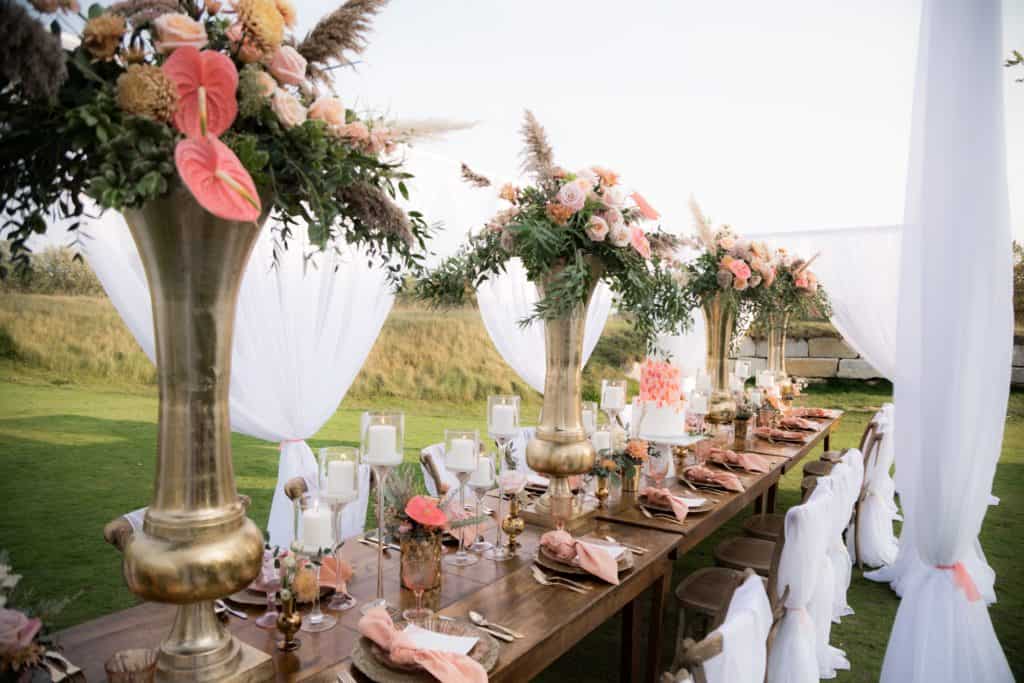
The most successful weddings are those where couples spend within their means and focus on celebrating their love story authentically rather than competing with other celebrations or trying to impress guests with expensive details. Your wedding should feel like a genuine reflection of who you are as a couple, and staying within a comfortable budget ensures you can focus on what truly matters: celebrating your commitment surrounded by the people you love most.
Frequently Asked Questions
Milwaukee wedding costs typically range from $15,000 to $35,000, depending on guest count and venue choice. However, your budget should be based on your financial situation, not local averages. Calculate what you can comfortably afford without debt, then plan your celebration within those parameters, regardless of what other couples spend.
Choose vendors with payment plan options when possible to manage cash flow throughout your engagement. Avoid vendors requiring full payment up front unless they’re established businesses with strong references. Legitimate wedding professionals typically require deposits (25-50%) with remaining balances due closer to your wedding date.
Establish clear expectations upfront about decision-making authority and spending limits when family members offer financial contributions. Some couples create separate budget categories for family-funded elements while maintaining control over vendor selection and celebration style decisions. Communication and written agreements prevent misunderstandings later.
The biggest mistakes include not accounting for taxes and service fees, failing to build buffer funds for unexpected expenses, booking vendors without comparing total package costs, and making emotional decisions without considering budget impact. Many couples also underestimate costs for transportation, alterations, and vendor meals.
Stick to your established budget limits while being flexible about reallocating funds between categories if certain vendors become priorities. If photography becomes more important than elaborate florals, move money from decor to photography rather than exceeding your total budget. Going over budget creates financial stress that can impact your marriage’s foundation.